
Trucker Dating in Chicago, IL
Chicago is the single busiest freight interchange in North America, where rail and highway networks converge in a way no other American city matches.
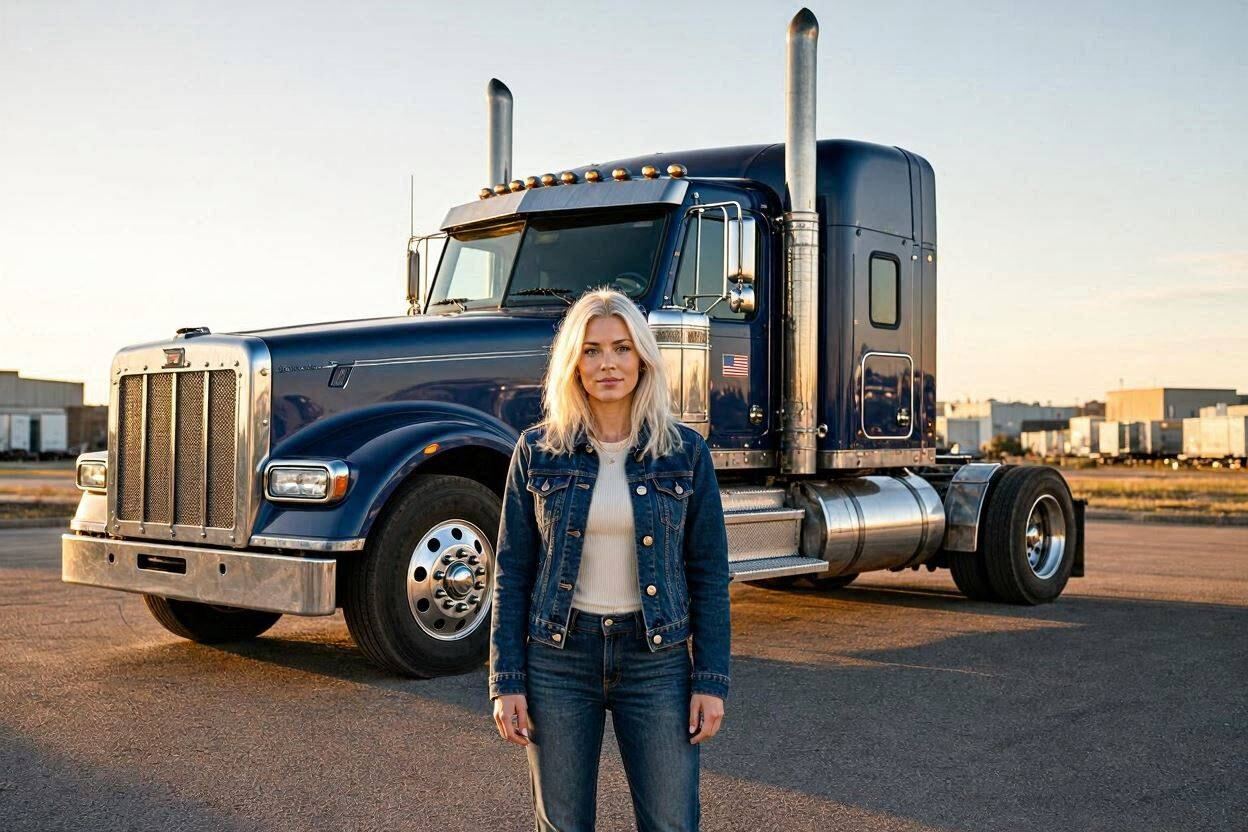
Why Chicago Is a Major Trucking Hub
Chicago's role as a freight capital goes back to its position as the historic meeting point of the country's major rail lines, and that legacy has carried directly into modern trucking. I-90 and I-94 run through the metro connecting the coasts, I-80 crosses east-west as one of the most important cross-country corridors in the nation, I-55 heads southwest toward St. Louis, and I-57 runs south toward Memphis. Layer a dense concentration of intermodal rail yards on top of that highway network, where cargo containers switch from rail to truck for final delivery, and Chicago becomes the busiest freight interchange point in the country by a wide margin.
That scale supports an enormous local trucking workforce dedicated to drayage between rail yards and warehouses, alongside the constant stream of long-haul drivers passing through on the interstates.
What That Means for Dating
Because so much of the country's freight passes through Chicago in some form, the city has one of the largest and most active member bases on Truckers Dating. Drivers running virtually any long-haul route across the northern half of the country are likely to pass through the metro regularly, and the large local drayage workforce adds a substantial population of drivers who are home most nights as well.
Given the sheer size of the Chicago metro, being specific about which side of the city or which interstate corridor you actually run, whether that is the I-80 corridor to the south, the I-90/94 lakefront routes, or the I-55 corridor southwest, makes a real difference in surfacing relevant matches.
Meeting Up in the Chicago Area
Chicago offers enormous variety for a date once you are past a first meeting, but the metro's size and traffic mean staying close to your actual route matters more here than almost anywhere else on this list. Truck stops and diners near the intermodal yards or along whichever interstate you run keep a first meetup realistic.
What Local Members Often Look For
Chicago's member base includes a large population of drayage and intermodal drivers based locally, long-haul drivers running any of the five interstates that converge in the metro, and non-driver members drawn to a city where logistics is a massive, visible part of the regional economy. Specifying your corridor or the side of the metro you work is especially useful given Chicago's scale.
Weather and Driving Conditions Around Chicago
Chicago winters are genuinely demanding, with sustained cold, regular snow, and lake-effect bands off Lake Michigan that can dump significant accumulation on the metro's eastern side in a short window. Ice is a routine winter hazard on the elevated expressway system, and drivers who work this market year-round build real seasonal adjustments into their schedules and equipment. Summers, by contrast, are comparatively mild, though the metro's chronic congestion means travel time is unpredictable regardless of season.
The scale of Chicago's intermodal operation also means that a single major winter storm can create ripple effects across the whole rail-to-truck system for days, since so much of the country's freight passes through this one interchange point.
Nearby Hubs Along Your Route
Chicago's five converging interstates reach Indianapolis and the broader Midwest via I-65, St. Louis via I-55, Memphis via I-57, and the East and West Coasts via I-90/I-94 and I-80. Few cities on this list connect to as wide a range of other hubs, which is part of why being specific about your actual corridor matters so much here.
The Scale of Chicago's Intermodal Economy
Every major North American rail carrier operates significant intermodal terminals in the Chicago area, a concentration unmatched anywhere else in the country. That density supports a drayage workforce measured in the tens of thousands, moving containers the short distance between rail yards and the region's massive warehouse network. Layer the long-haul traffic on five converging interstates on top of that, and Chicago's trucking community becomes one of the largest and most professionally varied of any city in the country.
For dating purposes, that scale cuts both ways: an enormous potential member pool, but also enough variety in the type of work people do, drayage, regional distribution, long-haul, that being specific about your own role and schedule matters more here than almost anywhere else on this list.
Choosing Chicago for Your Profile
Given the sheer scale of the Chicago freight market, listing your specific corridor or the side of the metro where you actually work makes a genuinely bigger difference here than in almost any other city on this list. A driver working the south side intermodal yards near I-80 has very little in common schedule-wise with one running I-90/94 along the lakefront, even though both would technically list "Chicago" as their base. Being precise about your actual routine helps a match understand what dating you would realistically look like.
Frequently Asked Questions
Is Chicago a good city for trucker dating?
Yes. As the busiest rail and highway freight interchange in North America, it generates enormous, constant trucking activity and one of the largest member pools on the platform.
Why is Chicago the biggest freight hub in the country?
It sits at the historic meeting point of the nation's rail networks and multiple interstate highways, making it the primary interchange where freight moves between rail and truck nationally.
What interstates should I know if I run through Chicago?
I-90, I-94, I-80, I-55, and I-57 all serve the metro, connecting it to virtually every region of the country.
Does Chicago have a large drayage driver population?
Yes, one of the largest in the country, supporting the dense concentration of intermodal rail terminals throughout the region.
The Will County Corridor: Joliet and Elwood
A huge share of Chicago's intermodal capacity actually sits well south of downtown, in Will County along the I-55 and I-80 corridors. Joliet and the nearby village of Elwood host some of the largest inland port facilities in the country, where major rail carriers operate intermodal terminals moving containers between train and truck on a scale that rivals the yards closer to the city itself. Drivers working this corridor often have a noticeably different daily rhythm than those working the yards on Chicago's south side or near the lakefront, since Will County's warehouse density has grown specifically around these terminals rather than the older rail infrastructure closer to downtown.
For anyone building a profile around the Chicago area, it is worth being explicit about whether your work centers on the city proper, the Will County corridor to the south, or one of the other rail-served pockets ringing the metro, since drive times between these areas can easily run over an hour even though all of them fall under the same general "Chicago" freight umbrella.
What to Expect on a First Meetup Here
Given Chicago's scale, picking a first meetup spot close to your actual side of the metro matters more than almost anywhere else on this list. A diner near the south side intermodal yards is a very different proposition, timing-wise, from a coffee shop near O'Hare or one along the lakefront, even though all three are technically "Chicago." Once a match understands your specific corridor, the city's genuine range, from deep-dish restaurants to lakefront parks to a serious live music scene, offers real variety for building something beyond a first conversation.