
Trucker Dating in Los Angeles, CA
Los Angeles anchors the largest port-to-road freight gateway in the country, where an enormous share of the nation's imported goods begins its journey by truck.
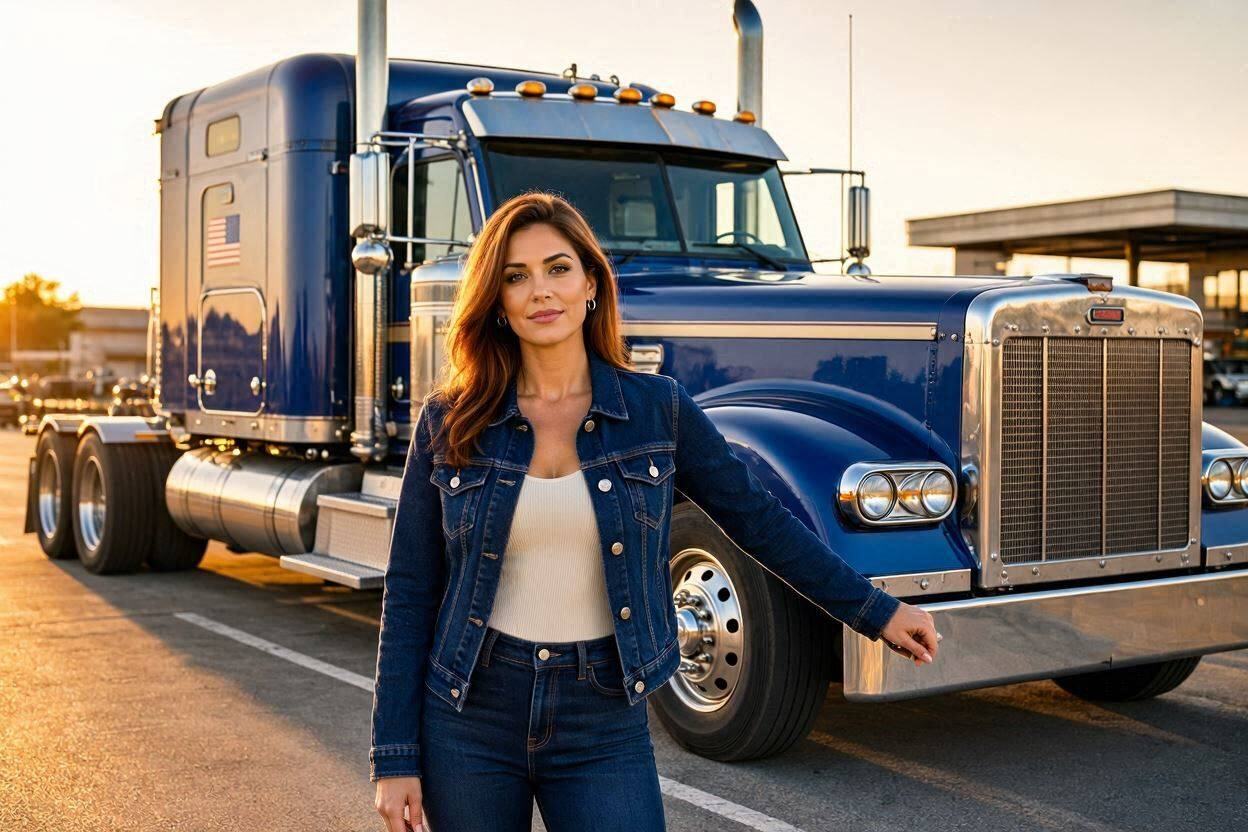
Why Los Angeles Is a Major Trucking Hub
The combined Port of Los Angeles and Port of Long Beach form the busiest container port complex in the country, and almost everything that arrives there leaves by truck for at least the first leg of its journey inland. I-5 runs north-south through the metro as the primary West Coast corridor, I-10 heads east toward Phoenix and beyond as one of the most important east-west routes in the country, and I-405 connects the sprawling metro's western half. That combination of port volume and interstate access makes the LA basin one of the single most important freight origins in the nation.
The scale of container drayage alone, moving goods the short distance from the ports to nearby rail yards and warehouses, supports a massive local trucking workforce, on top of the long-haul drivers who pick up loads here for cross-country runs.
What That Means for Dating
Because so much freight originates in the LA basin rather than just passing through, the metro has an enormous local drayage and short-haul workforce alongside long-haul drivers heading out via I-5, I-10, or I-15. That gives Los Angeles one of the largest and most active member bases anywhere on Truckers Dating.
Given the size and traffic of the metro, being specific about which part of the basin you actually work, the port area, the Inland Empire side, or a particular freeway corridor, matters more here than almost anywhere else covered on this site.
Meeting Up in the Los Angeles Area
LA's size and traffic make proximity especially important. Staying close to the port area, or wherever your actual route or terminal is based, keeps a first meetup realistic rather than turning into an hours-long drive across the basin.
What Local Members Often Look For
Los Angeles's member base includes a large population of drayage and short-haul port drivers, long-haul drivers picking up freight here for cross-country runs, and non-driver members drawn to a region built heavily around ports and logistics. Naming your specific area or corridor within the sprawling metro is especially useful here.
Weather and Driving Conditions Around Los Angeles
Southern California's mild, dry climate means weather is rarely the dominant scheduling factor it is in much of the rest of the country. The real operational challenge in Los Angeles is traffic congestion, which runs heavy for large parts of most days across I-5, I-10, and I-405, often making travel time far less predictable than distance alone would suggest. Occasional wildfire smoke during dry season can reduce air quality and visibility, and the rare winter storm can bring enough rain to cause localized flooding on roadways not built for sustained heavy rainfall.
For scheduling purposes, most drivers in the LA basin plan around traffic patterns as carefully as drivers elsewhere plan around snow or ice, since a poorly timed trip through the port area or downtown corridor can add hours rather than minutes.
Nearby Hubs Along Your Route
Los Angeles connects east to the Inland Empire's Ontario-area warehouse network in under an hour under good traffic conditions, and further east via I-10 toward Phoenix. North on I-5, the Central Valley and eventually the Bay Area open up, while south the route continues toward San Diego. A Los Angeles-anchored profile often reflects deep ties to this immediate port-and-warehouse ecosystem rather than a long cross-country rotation.
A Trucking Community Shaped by Port Rules
Port drayage in Los Angeles operates under a distinct set of environmental and equipment regulations specific to California, including emissions standards for trucks serving the ports that go beyond what is required elsewhere in the country. That regulatory environment has shaped a local drayage community with specialized equipment knowledge and a professional culture built around navigating California's particular trucking rules, separate from the more general long-haul community running in and out of the basin.
Understanding this distinction matters for dating: a match working port drayage specifically has a different professional world, different equipment, different regulations, different daily routine, than a long-haul driver just passing through the LA basin on a cross-country run.
Choosing Los Angeles for Your Profile
Given the size and traffic patterns of the LA basin, naming your specific area, port-adjacent, San Fernando Valley, or downtown-corridor, gives a match a much more realistic sense of how far apart you might actually be day to day than "Los Angeles" alone conveys. For port drayage drivers specifically, mentioning that work explicitly can help a match understand your equipment, your regulatory environment, and your daily schedule more accurately than a generic long-haul description would.
Frequently Asked Questions
Is Los Angeles a good city for trucker dating?
Yes. As the nation's largest port-to-road freight gateway, it generates enormous, constant drayage and long-haul trucking activity and one of the biggest member pools on the platform.
Why is Los Angeles important for freight?
The combined Port of Los Angeles and Port of Long Beach handle a huge share of the country's imported goods, nearly all of which move inland by truck.
Is Los Angeles connected to the Inland Empire freight market?
Yes, closely. Freight from the LA ports frequently moves east into the Inland Empire's massive warehouse network around Ontario, making the two regions part of one connected freight ecosystem.
Does California have distinct trucking regulations affecting LA port drivers?
Yes. Port drayage operates under specific California emissions and equipment rules, shaping a specialized local trucking community distinct from general long-haul drivers.
What to Expect on a First Meetup Here
Given LA's size and traffic, timing a first meetup around off-peak hours and staying close to whichever part of the basin you actually work in makes a real difference in how the whole experience feels. Once that logistical piece is sorted, the region offers about as much genuine variety, food, beaches, entertainment, as anywhere in the country, giving plenty of room to build a relationship well beyond a first coffee near the port.
Picking a Realistic Meeting Point Across the Basin
The Los Angeles metro spans roughly 30 miles from the harbor communities of San Pedro and Wilmington near the ports up to the San Fernando Valley, and even further if you count the Inland Empire to the east. Drivers based around the harbor area often suggest Long Beach's downtown or the Shoreline Village waterfront for a first meetup, both within a few minutes of the port complex and far enough from the working terminals to feel relaxed. Drivers based further inland, near the rail yards and warehouse clusters around the City of Commerce or Vernon, tend to look toward Downtown LA or nearby Pasadena instead. For anyone working the Valley side, Studio City and Sherman Oaks along Ventura Boulevard offer an easy, walkable strip of restaurants well clear of the I-405 corridor's worst congestion windows.
Because the 405, the 5, and the 10 all carry some of the heaviest daily traffic volumes in the country, picking a meeting spot roughly equidistant between two people's actual work zones, rather than a single "center of LA," tends to produce a far better first date than defaulting to whatever neighborhood sounds most familiar.
Local Seasonal Patterns
Southern California's mild climate means there is no true off-season for dating the way winter changes things in colder freight markets, but the local trucking calendar still has real rhythms. Volume through the ports typically climbs heading into the fall as retailers restock for the holiday season, meaning drayage and warehouse schedules around the harbor tend to get busier and less predictable from late summer through the holidays. Wildfire season, generally late summer into fall, can also occasionally affect air quality and, in more serious years, road closures on routes threading through the surrounding hills, which is worth keeping in mind when planning anything outdoors during those months.
Is it worth naming a specific neighborhood rather than just "Los Angeles" on a profile?
Yes. Given the size of the metro, naming the harbor area, the Valley, downtown, or the Inland Empire side gives a match a realistic sense of actual distance and makes planning a first meetup far more practical.
Connect with Truckers Near You
Build a profile around the Southern California route you actually run.
Join